
Attention and memory
Reading music, remembering patterns, and listening carefully exercise concentration and working memory.
One-to-one violin teaching in Singapore, plus cycling and inline-skating coaching, with 陆老师.
Three words on every lesson I teach, whether the instrument is a violin, a bicycle or a pair of skates.
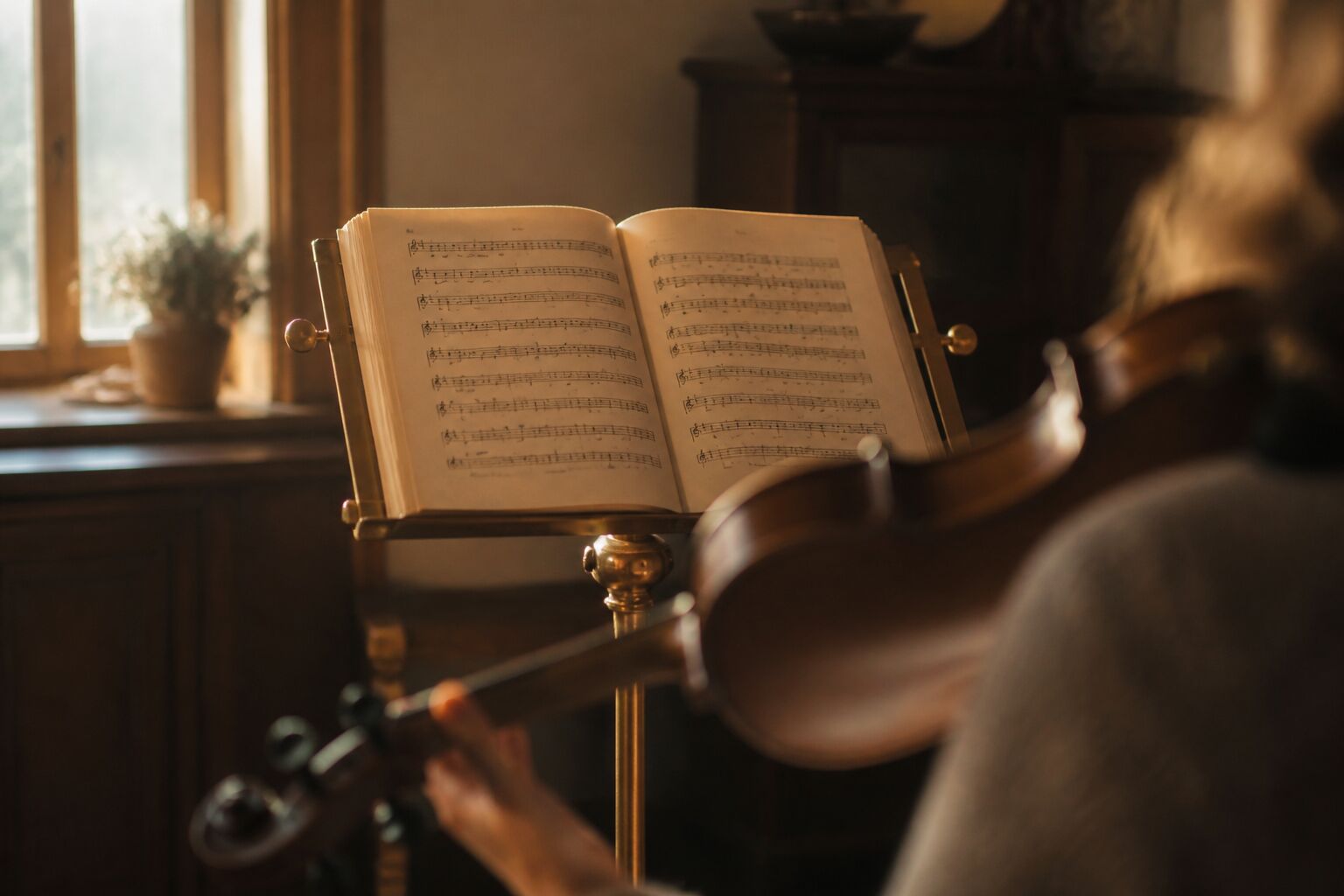
One-to-one violin teaching built around posture, tone and reading. Those are the three things that decide whether a student keeps playing. Lessons move at the pace of the person in front of me, not a syllabus timetable.
Road and recreational cycling coaching: balance first, then handling, cadence and riding safely in real Singapore traffic and on the park connectors. Beginners and returning riders both welcome.

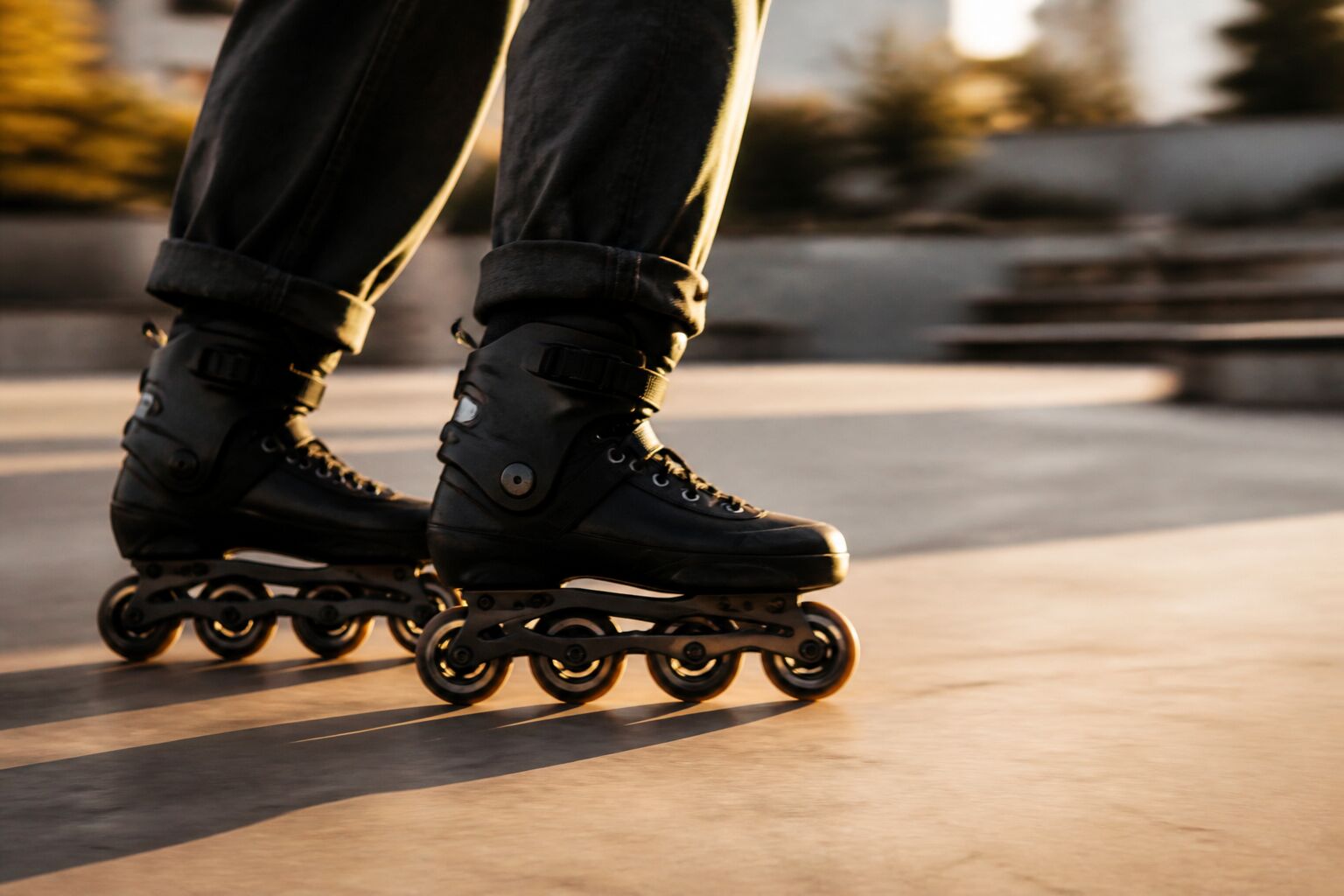
Learning to roll, stop and turn with control before anything else. Stopping is taught first. it is the skill that makes every other one safe to practise.
Learning music as a child can be valuable even if the child never becomes a professional musician. The biggest benefits come from the combination of listening, movement, memory, coordination, practice, and expression.
Reading music, remembering patterns, and listening carefully exercise concentration and working memory.
Instruments such as violin and piano require the eyes, ears, hands, and fingers to work together. Violin also develops fine control of posture, bowing, and intonation.
Regular practice teaches children that improvement comes gradually through repetition, feedback, and correcting mistakes.
Children learn to notice rhythm, pitch, dynamics, timing, and small differences in sound.
A difficult passage may take many attempts. Music gives children a relatively safe way to experience frustration, work through it, and eventually succeed.
Playing a piece well—or performing for another person—can give a child a strong sense of accomplishment and another way to express emotions.
Ensembles, orchestras, bands, and duets teach children to listen to others, keep time together, take turns, and contribute to a group.
Improvising, composing, and interpreting music encourage children to make artistic choices rather than simply find one “correct” answer.
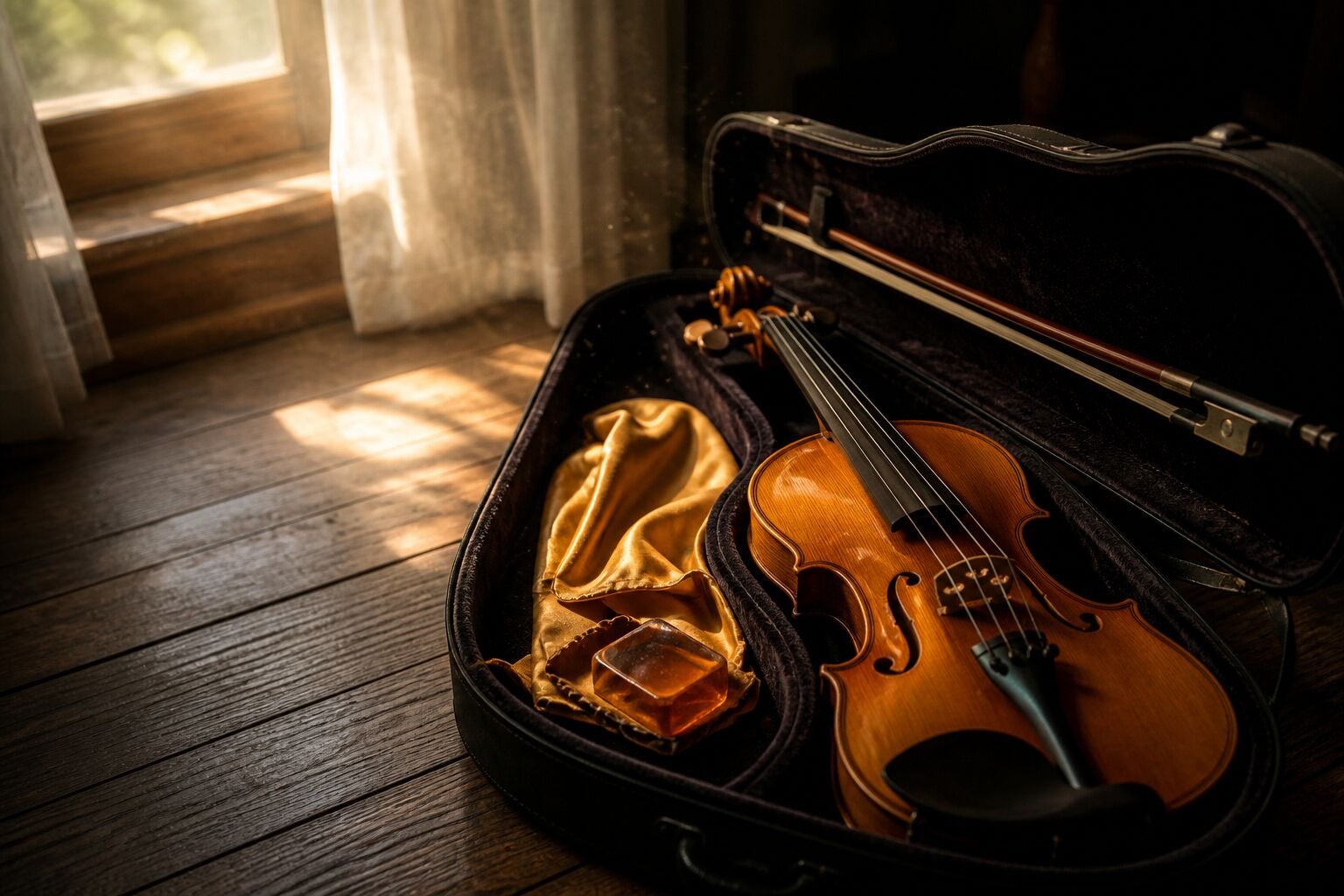
There is no rotating bench of tutors here. You learn with 陆老师, the same teacher every week, who remembers what you were working on last time and what you found hard.
That is the whole reason the three disciplines sit under one name. The instrument changes; how someone is taught to improve does not.
More about 陆老师Five things I am always watching for in a lesson, whether you are holding a bow or a handlebar.
The two bars we repeat until the shift finally lands. Precision is not strictness. It is knowing exactly which small thing to fix next, and fixing only that one.
Choose an elementTap an element
Tell me who the lesson is for, which discipline, and roughly when you are free. WhatsApp is fastest.
We find out where you actually are, not where a grade book says you should be, and I tell you honestly what the next few months would look like.
A regular slot, one thing fixed at a time, and a clear reason for every exercise I give you.
Message me and tell me what you would like to learn. I will reply with what is available.